
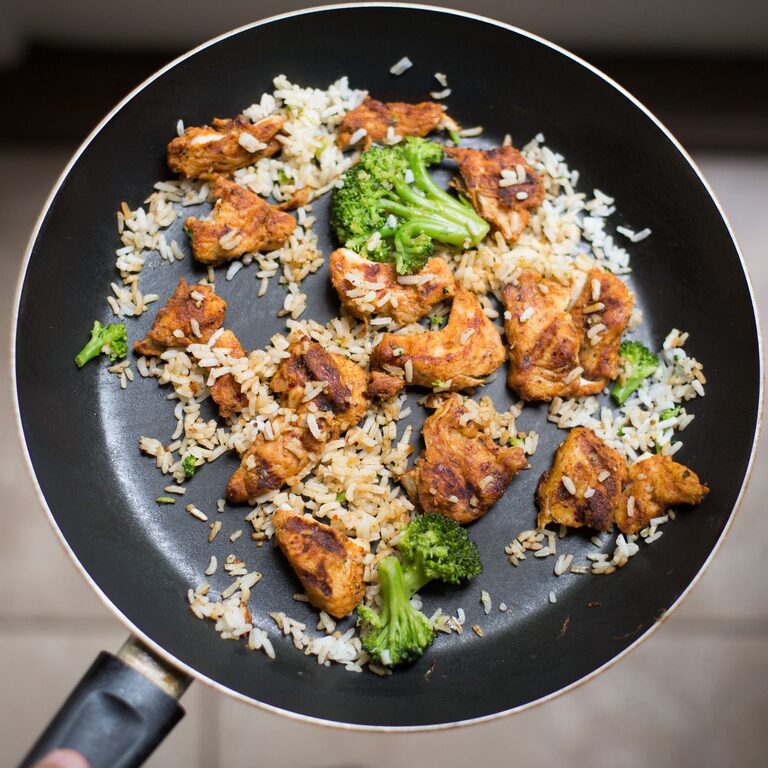
Cleaning up after dinner can often feel like a daunting task that eats into your free time. However, with some simple strategies and smart habits, you can make dinner cleanup easier, quicker, and less stressful. In this post, we’ll share practical ideas that you can implement right away to streamline your kitchen cleanup routine.
Plan Ahead for an Easier Cleanup
Prepare Your Workspace Before Cooking
Before you start cooking, take a few minutes to clear and organize your kitchen counter. Having a clean, clutter-free workspace reduces the risk of spills and messes. Also, set out bowls or containers for scraps, so you can toss peels and waste immediately as you cook.
Use Fewer Dishes and Tools
Try to plan meals that require minimal cookware. For instance, one-pot or sheet-pan meals often mean fewer dishes to wash. Reusing the same measuring cups or spoons during recipe steps can also cut down on mess.
Adopt Effective Cleanup Habits While Cooking
Clean as You Go
Instead of waiting until the meal is finished, clean utensils, cutting boards, and bowls as you finish using them. Washing or rinsing items during cooking prevents a big pile of dishes from accumulating.
Soak Pots and Pans Immediately
Fill pots and pans with hot water and a bit of soap right after you use them, especially if food has stuck. Letting them soak while you eat makes scrubbing afterward much easier.
Smart Use of Kitchen Tools and Appliances
Invest in a Good Dishwasher
If you have a dishwasher, load it efficiently and run it promptly. Pre-rinse heavily soiled dishes before placing them inside, but avoid washing everything by hand unnecessarily. A dishwasher can save significant time and effort.
Use Baking Sheets or Parchment Paper to Reduce Mess
When roasting or baking, line pans with parchment paper or aluminum foil. This simple step helps prevent food residue from sticking, making pans easier to clean.
Use Silicone Mats and Utensils
Silicone baking mats and utensils are non-stick and easy to clean, requiring less scrubbing compared to traditional tools.
Organize Your Kitchen for Convenience
Designate a Cleanup Station
Set up an area near the sink with all the basic cleaning supplies like dish soap, sponges, scrubbers, and drying racks. Having everything in one spot simplifies the cleaning process.
Declutter and Store Items Efficiently
Keep only essential tools and dishes within easy reach. Organized cabinets and drawers make it simpler to find what you need and put items away quickly after washing.
Post-Meal Cleanup Tips
Clear the Table Promptly
Don’t leave dirty dishes sitting on the table. Clear them as soon as everyone is done eating to prevent lingering messes and make washing more manageable.
Rinse and Stack Dishes
Rinse plates and utensils right away to prevent food from drying and sticking. Stack dishes neatly to save space and speed up dishwasher loading or hand washing.
Wipe Down Surfaces Immediately
Use a damp cloth or sponge to wipe counters, stovetops, and the dining table right after dinner. It’s easier to clean up spills and crumbs before they dry.
Additional Time-Saving Tips
Cook Larger Portions for Leftovers
Making extra servings means you can reheat meals later, reducing the number of cooking and cleanup sessions during the week.
Enlist Help When Possible
If you have family or roommates, involve them in the cleanup process. Dividing tasks can turn cleanup into a quicker, collaborative activity.
Use Disposable or Reusable Containers Wisely
For busy days, reusable containers can store leftovers without needing extra dishes. If you prefer disposable options for convenience, use them sparingly to reduce waste.
Conclusion
Dinner cleanup doesn’t have to be a dreaded chore. By planning ahead, adopting efficient habits, organizing your kitchen, and making smart use of tools, you can significantly reduce the time and effort needed to tidy up after meals. Start with a few of these ideas today and enjoy a cleaner kitchen with less hassle tomorrow!